

Research
Journal Article – Nexus Network Journal
December 27, 2025
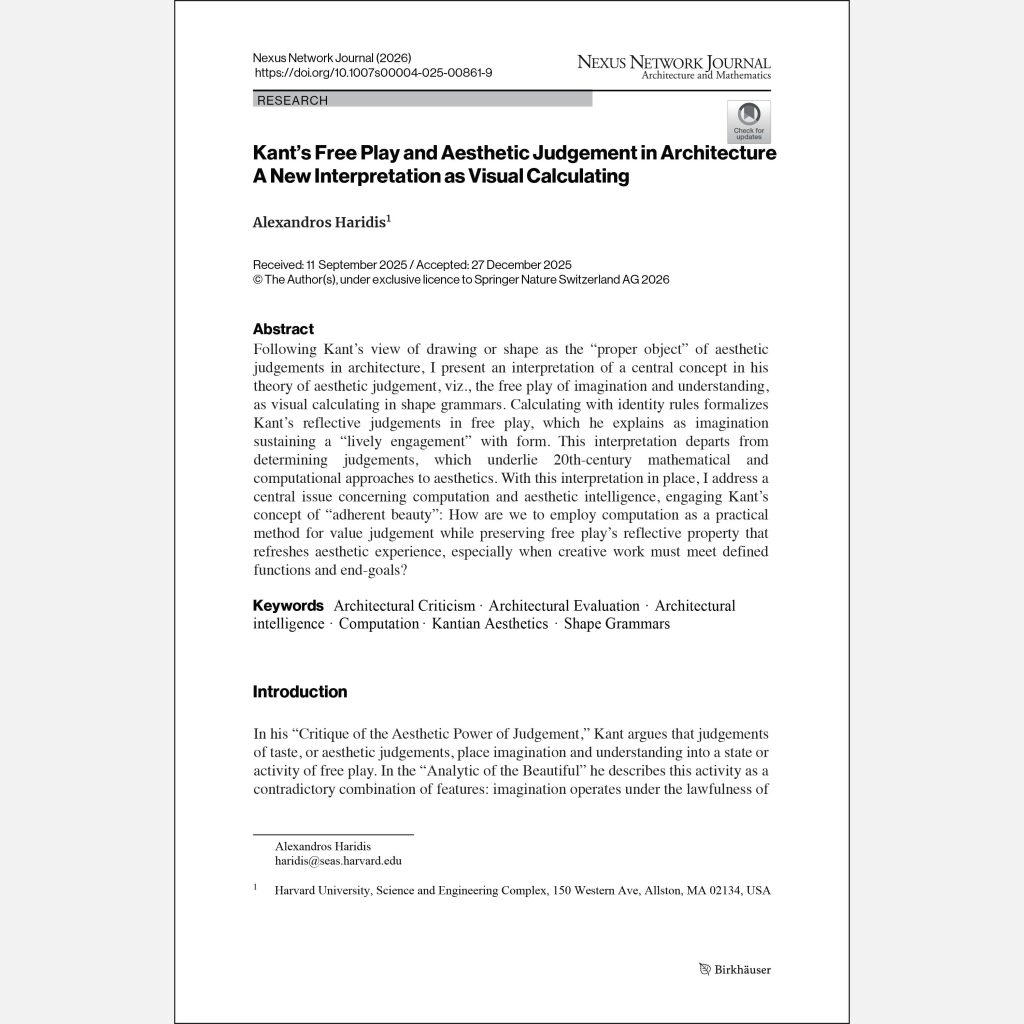
New peer-reviewed journal article, “Kant’s free play and aesthetic judgement in architecture: a new interpretation as visual calculating,” published in Nexus Network Journal.
Overview
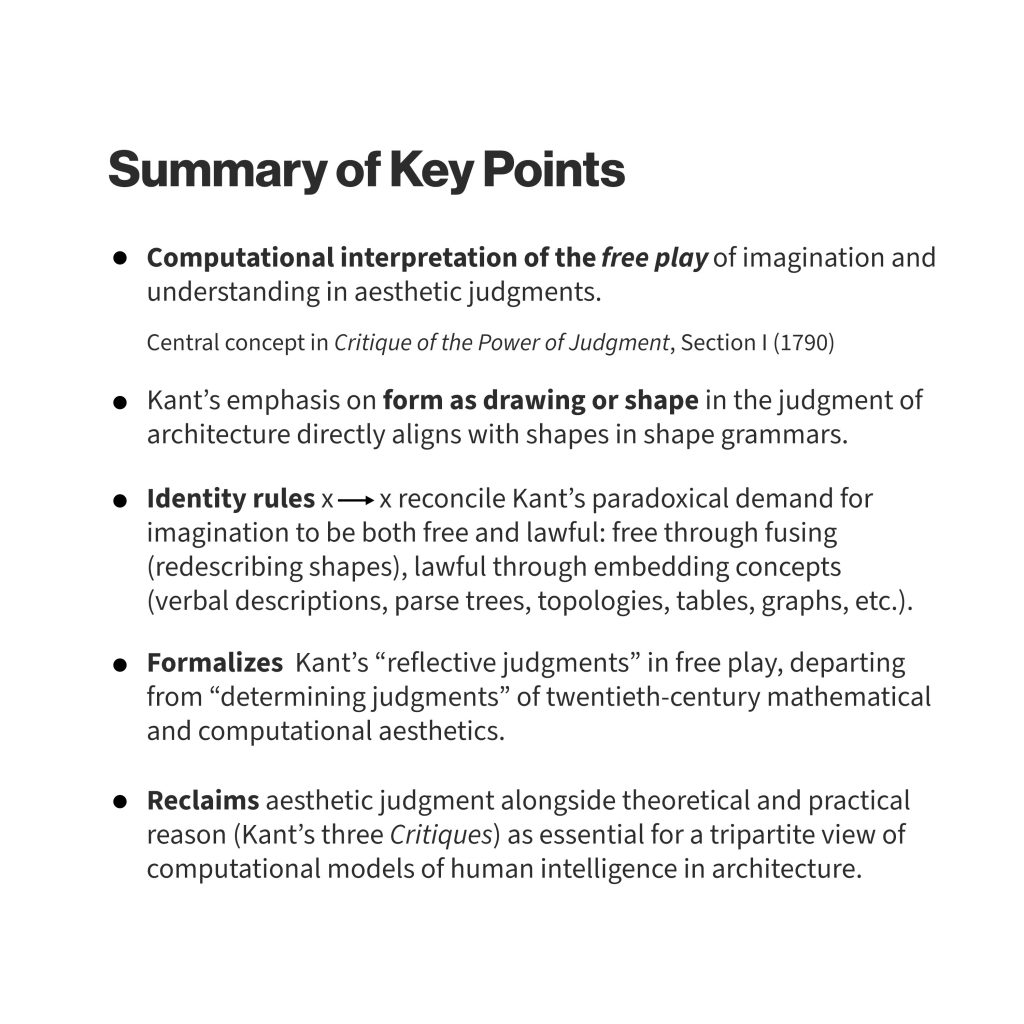
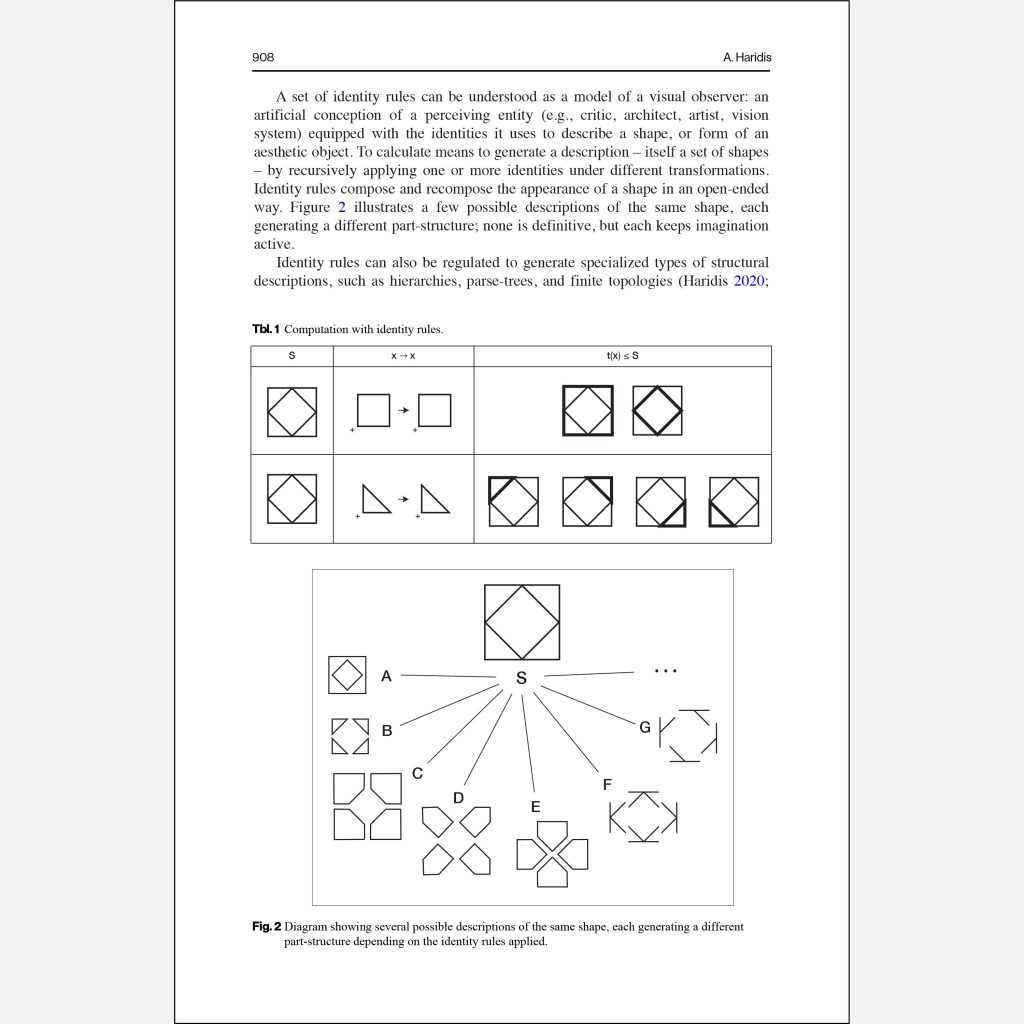
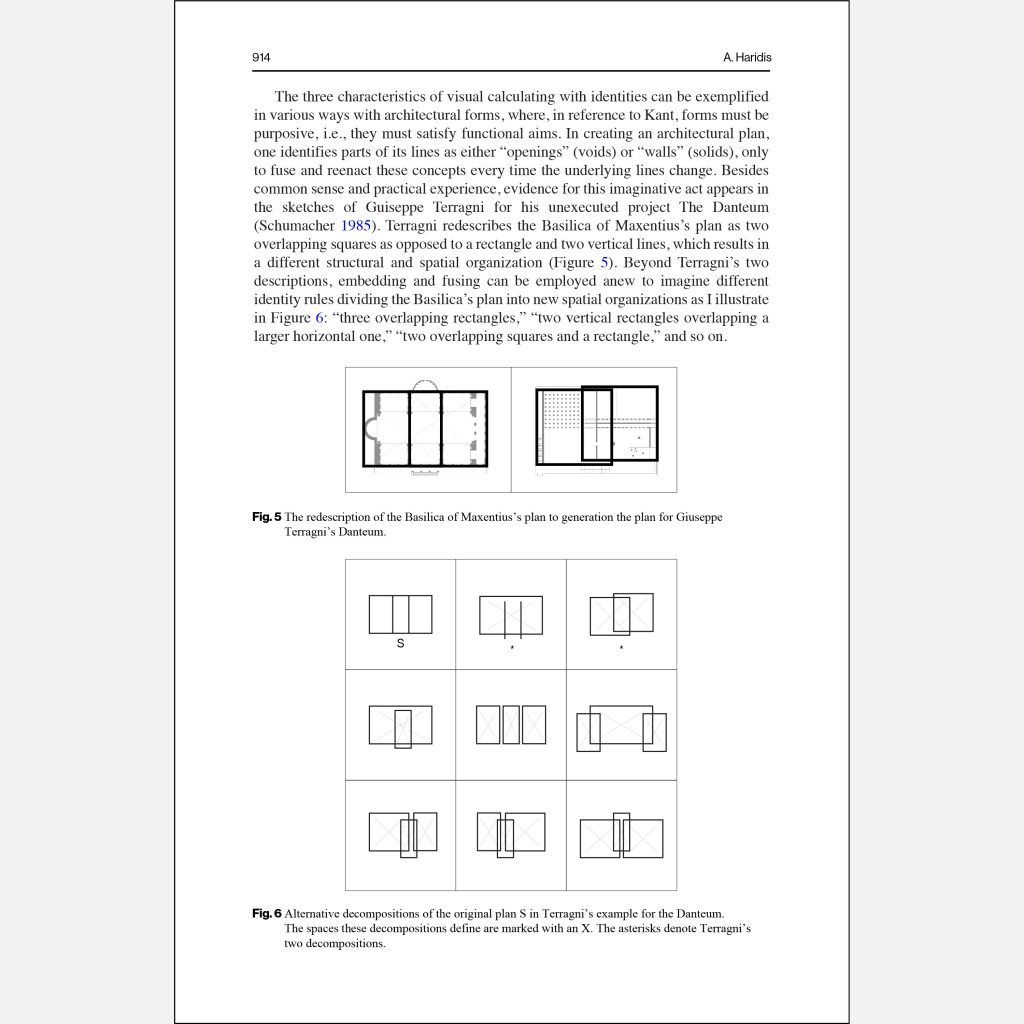
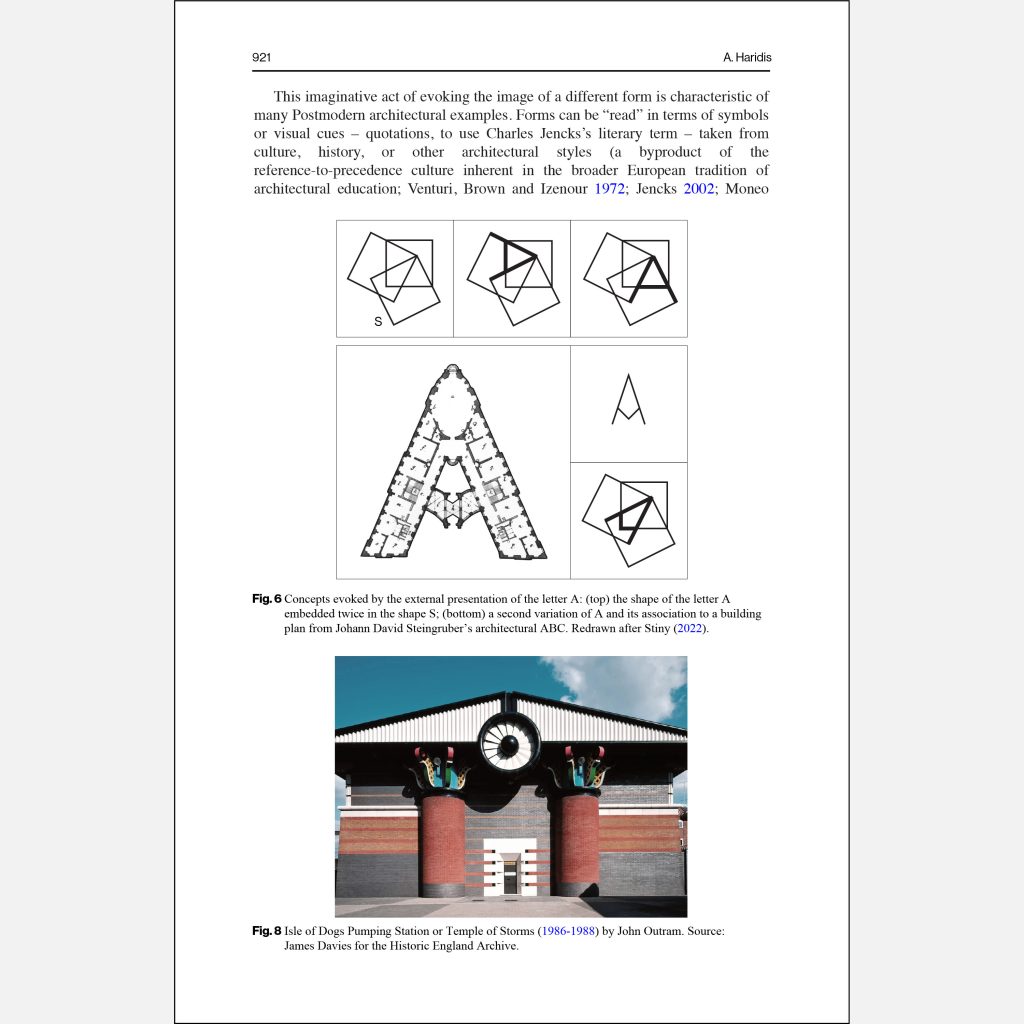
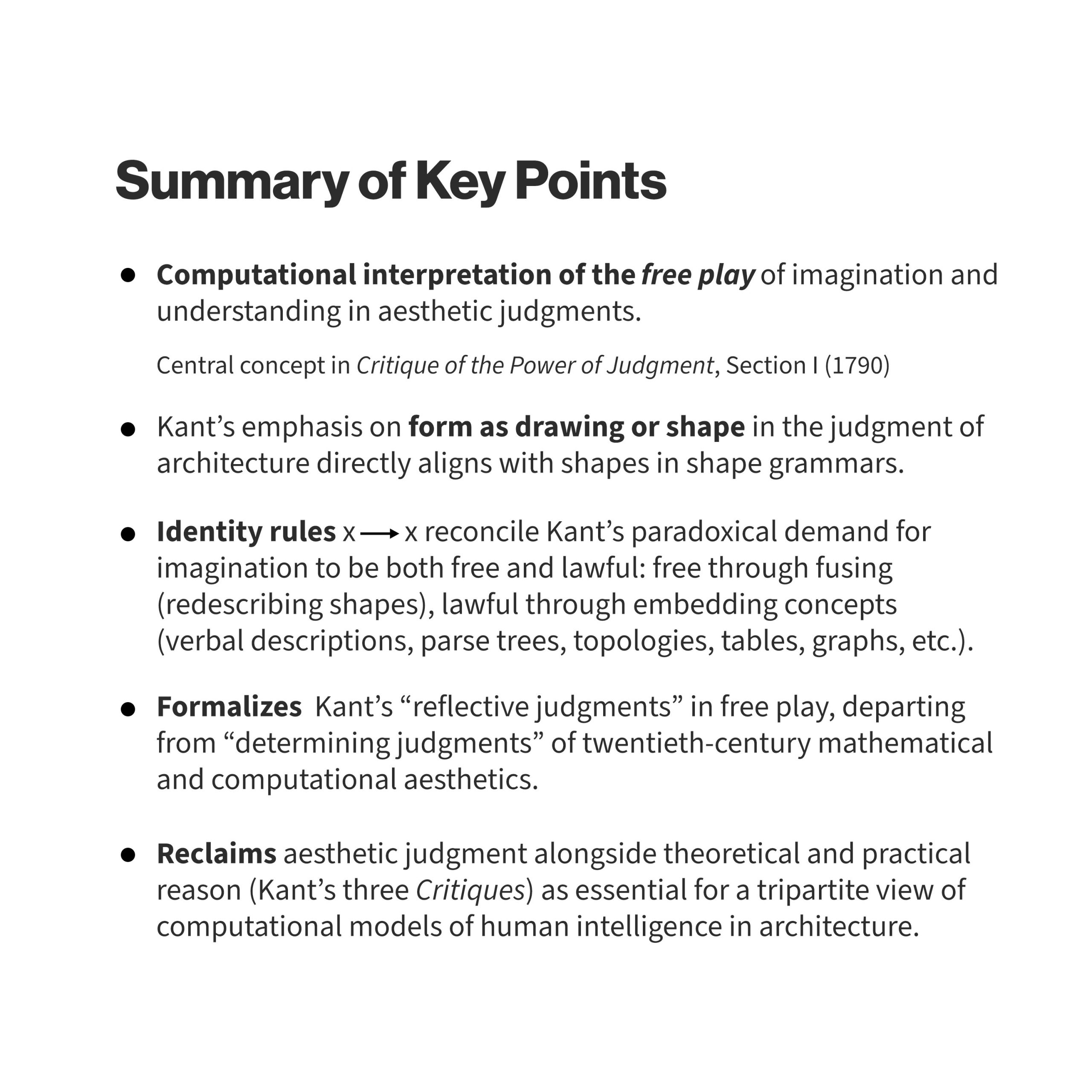
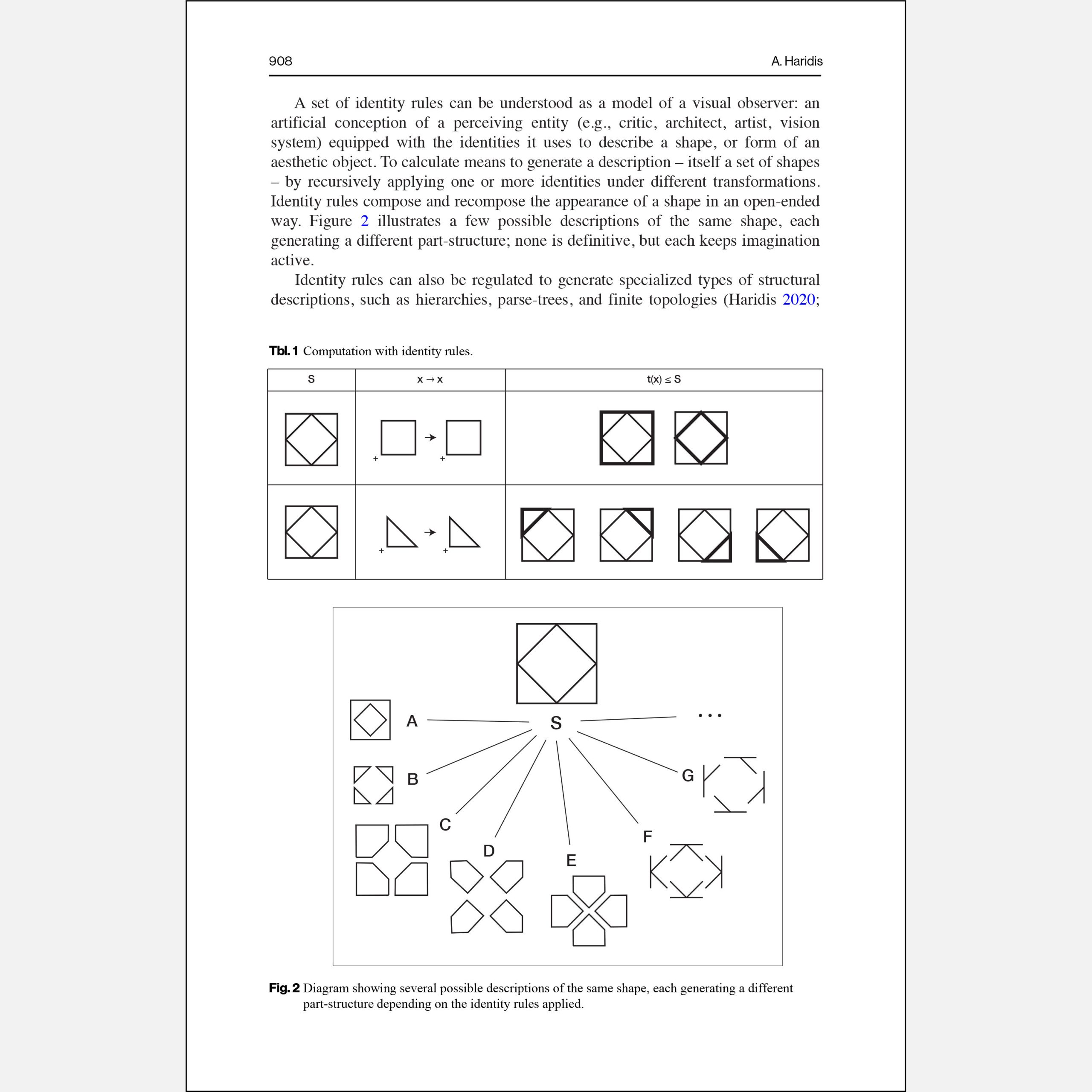
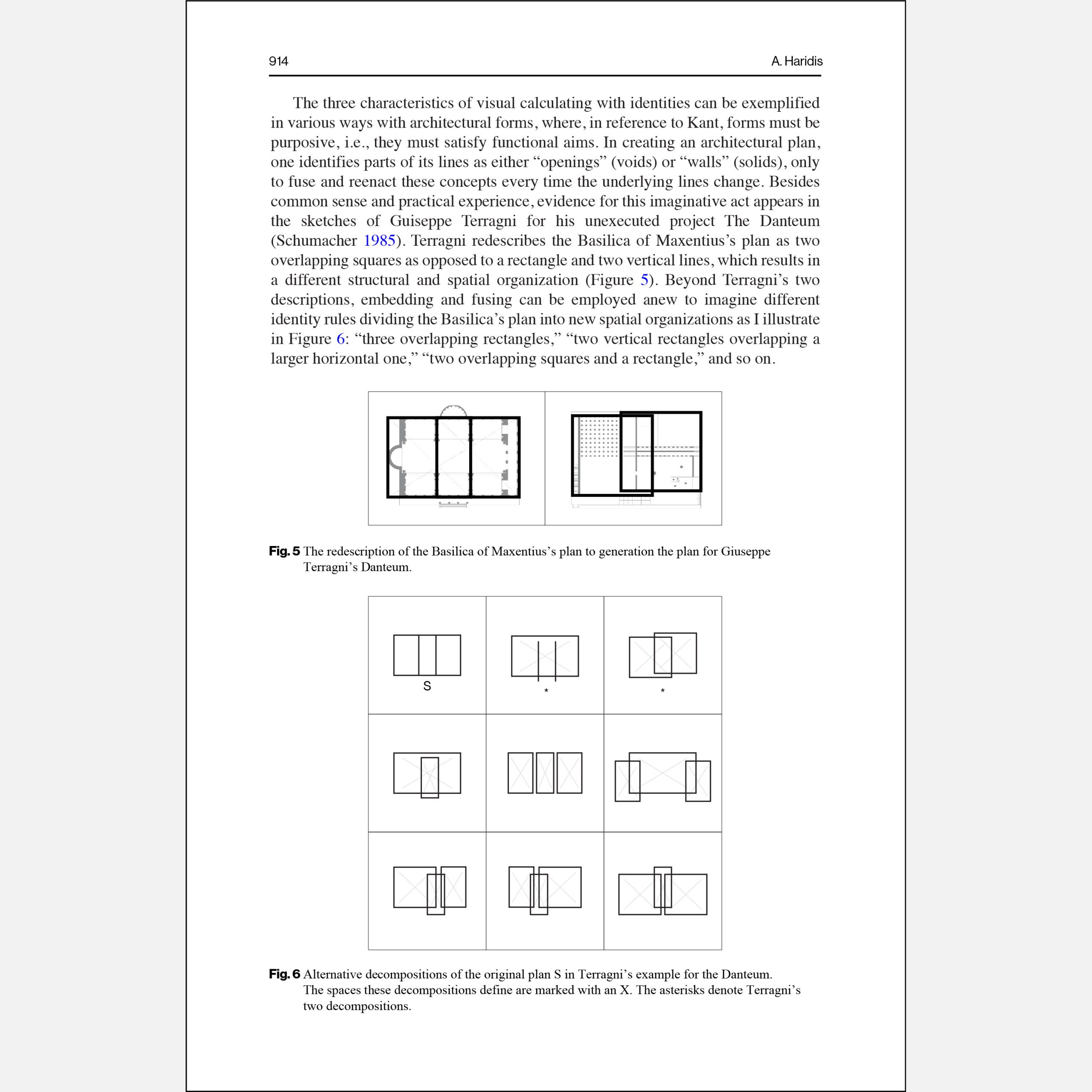
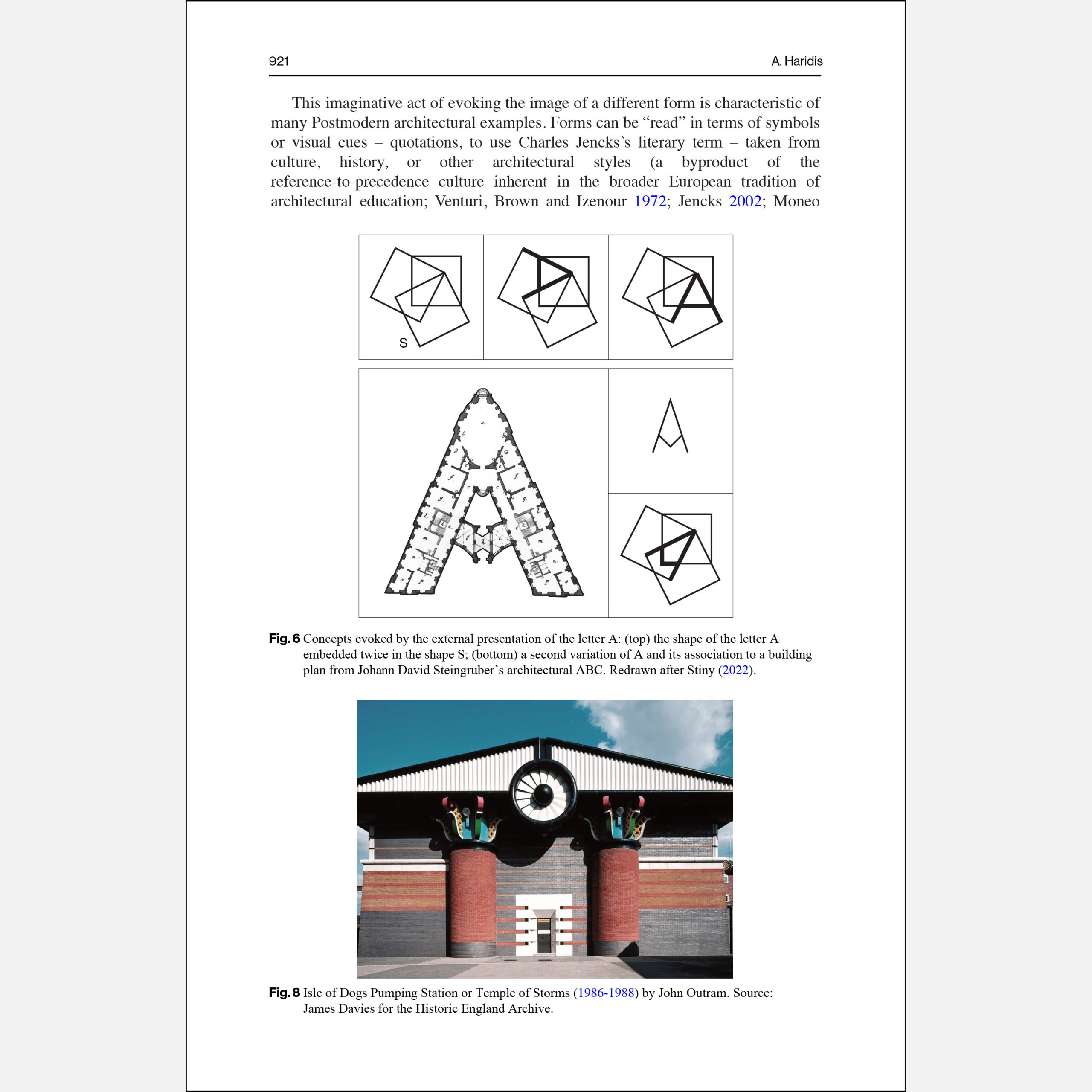
Following Kant’s view of drawing or shape as the “proper object” of aesthetic judgements in architecture, I present an interpretation of a central concept in his theory of aesthetic judgement, viz., the free play of imagination and understanding, as visual calculating in shape grammars. Calculating with identity rules formalizes Kant’s reflective judgements in free play, which he explains as imagination sustaining a “lively engagement” with form. This interpretation departs from determining judgements, which underlie 20th-century mathematical and computational approaches to aesthetics. With this interpretation in place, I address a central issue concerning computation and aesthetic intelligence, engaging Kant’s concept of “adherent beauty”: How are we to employ computation as a practical method for value judgement while preserving free play’s reflective property that refreshes aesthetic experience, especially when creative work must meet defined functions and end-goals?
With this article I contribute in two ways to current discourse on architectural computation, design values, and human intelligence. First, I show that computation – specifically, visual calculating in shape grammars – provides an alternative way of grounding Kant’s aesthetic theory in architecture, beyond what’s possible through purely philosophical or historical interpretations. For instance, my account demonstrates how Kant’s conceptual distinction between “determining” and “reflective” judgement marks a clear departure from the practical view of aesthetic judgement as determining numerical values for comparison and ranking – an approach that underpins 20th-century mathematical and computational aesthetics.
Second, I argue for integrating aesthetic judgement into the broader transdisciplinary quest for computational models of human intelligence, a topic of renewed interest due to advances in AI. Kant’s characterization of aesthetic judgement as play between two mental faculties suggests it’s as a distinct and autonomous form of intelligence – “an entirely special faculty for discriminating and judging” (§1, 5:204) –, standing on equal footing with reason and practical judgement (ethics). While most of the emphasis in AI is on scientific discovery, ethics, and logic (Kissinger, Schmidt and Huttenlocher 2021), the aesthetic dimension exercised in design fields like architecture may prove essential to a more expansive conception of intelligence, particularly when creating and judging adherent beauties (i.e., objects of design that satisfy an determinate end). Finding new models for this aesthetic component will become sooner or later a necessity. This article highlights a need for interpretative tools and computational models for aesthetic intelligence, taking visual calculating in shape grammars as its underlying computing model.
Downloads
Download Publisher’s Version
Download Preprint (Harvard DASH)