Alexandros (Alex) Haridis is a registered architect (M.Arch) and design computing researcher with a Ph.D. and M.S. in Architecture: Design and Computation from the Massachusetts Institute of Technology. His research focuses on architectural intelligence, architectural criticism, design theory and methods, and artificial intelligence.
As an author of publications, exhibitions, and software artifacts, he examines the co-evolution of architecture and design with digital technologies and formal computation. In Fall 2026, he is a Visiting Professor at the University of Stuttgart’s Cluster of Excellence Institute for Computational Design and Construction (IntCDC) and a Research Affiliate at the MIT Department of Architecture. He held a Lecturer and Principal Investigator position at Harvard University’s Paulson School of Engineering and Applied Sciences, with a joint affiliation at the Graduate School of Design. Alongside his academic work, he has practiced as a project architect on built projects in Greece and has consulted on computational design for architecture offices and for technology startups in the United States focused on advanced manufacturing and AI for the built environment.
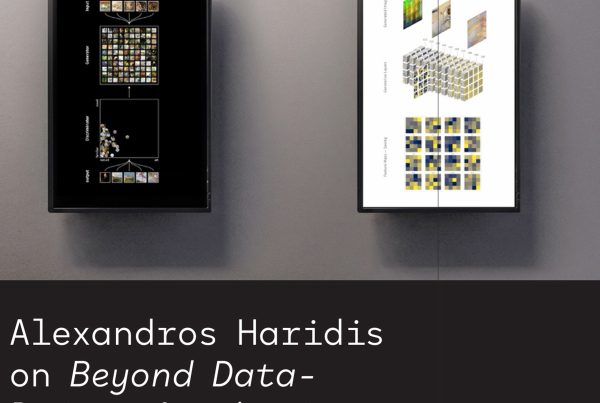
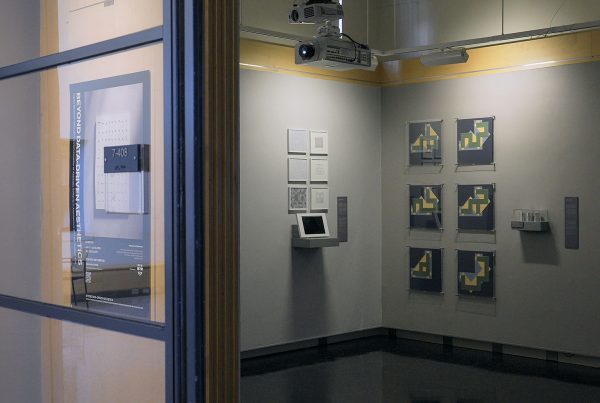
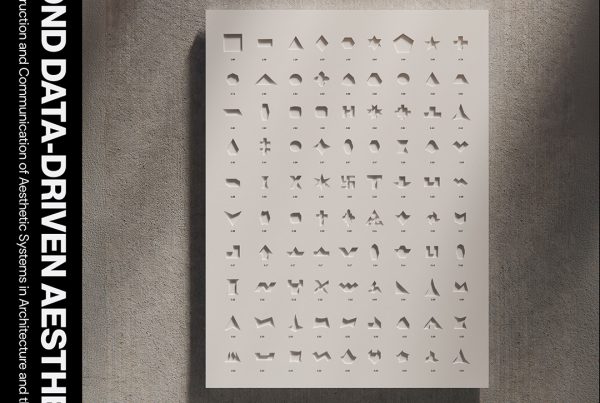
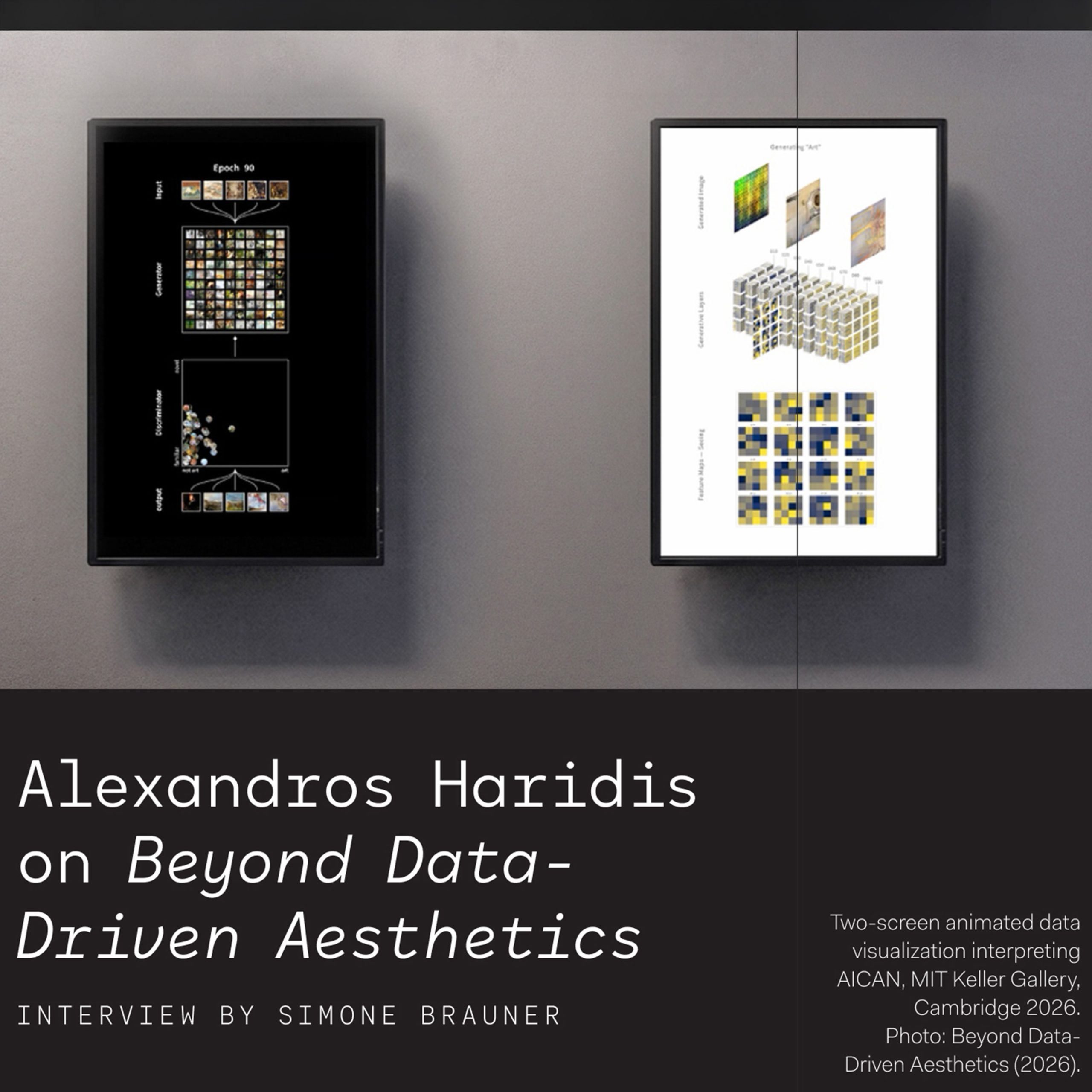
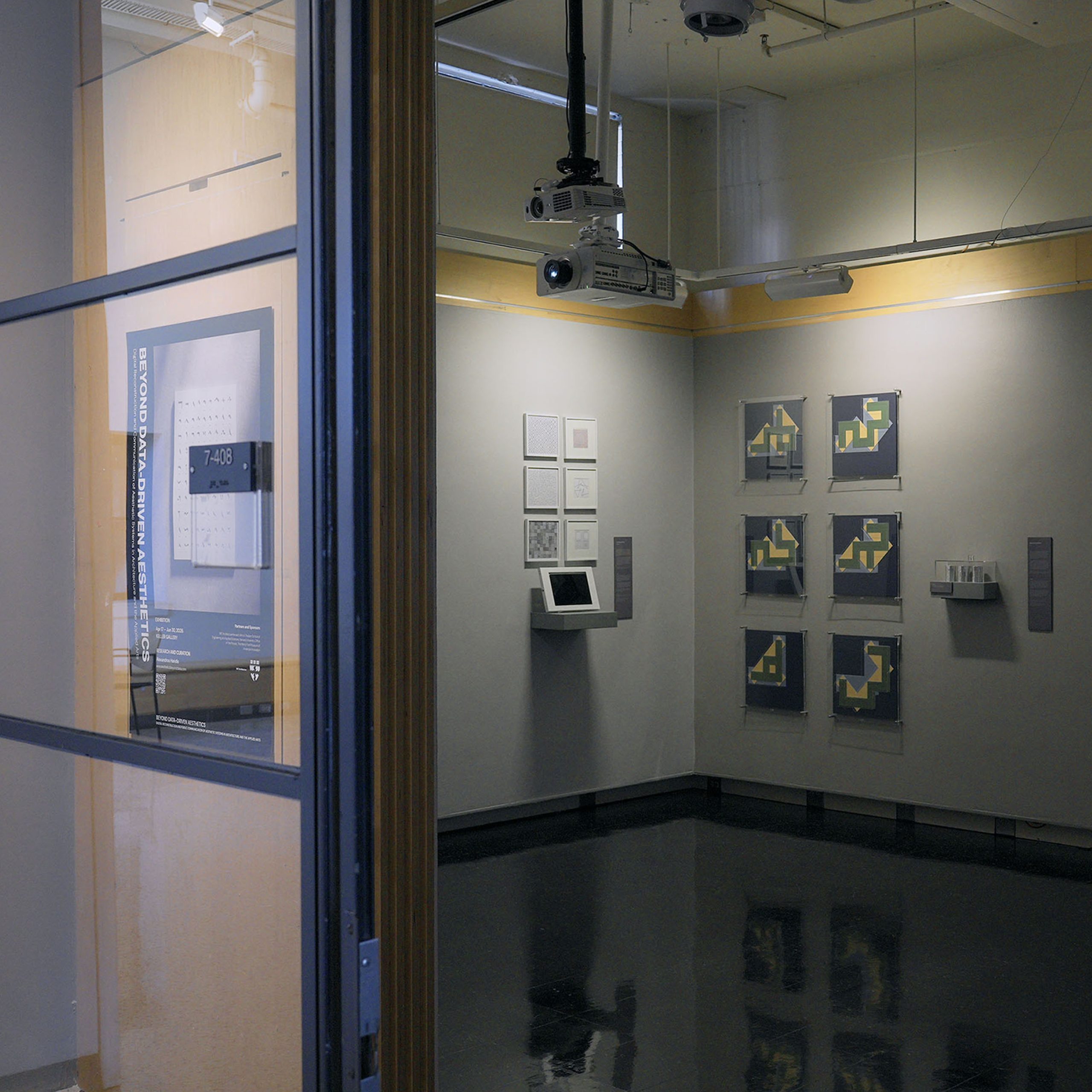
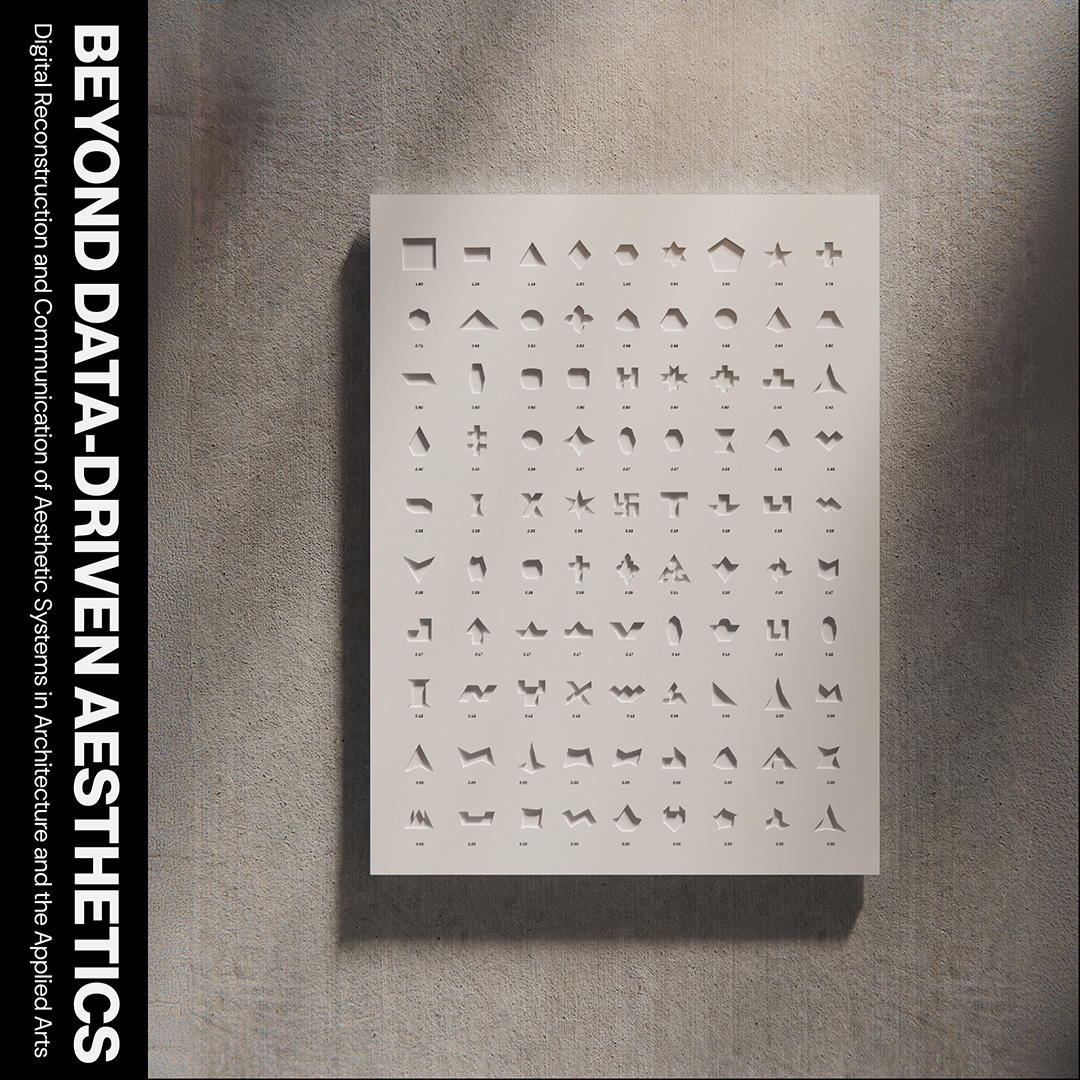
His current research addresses AI systems that compare and rank architecture and design. He develops design methods that make the judgments encoded in these systems visible, explainable, and open to challenge. Most recently he has pursued this through Beyond Data-Driven Aesthetics, a research platform he directs. Its eponymous research exhibition was presented at MIT’s Keller Gallery (April–June 2026) and featured in MIT News, Kathimerini, AI Art Magazine, and other outlets.
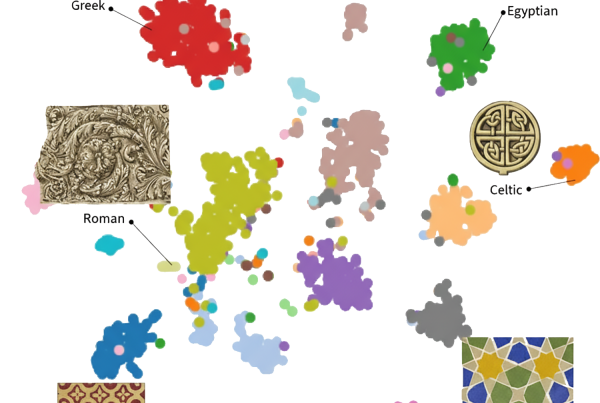
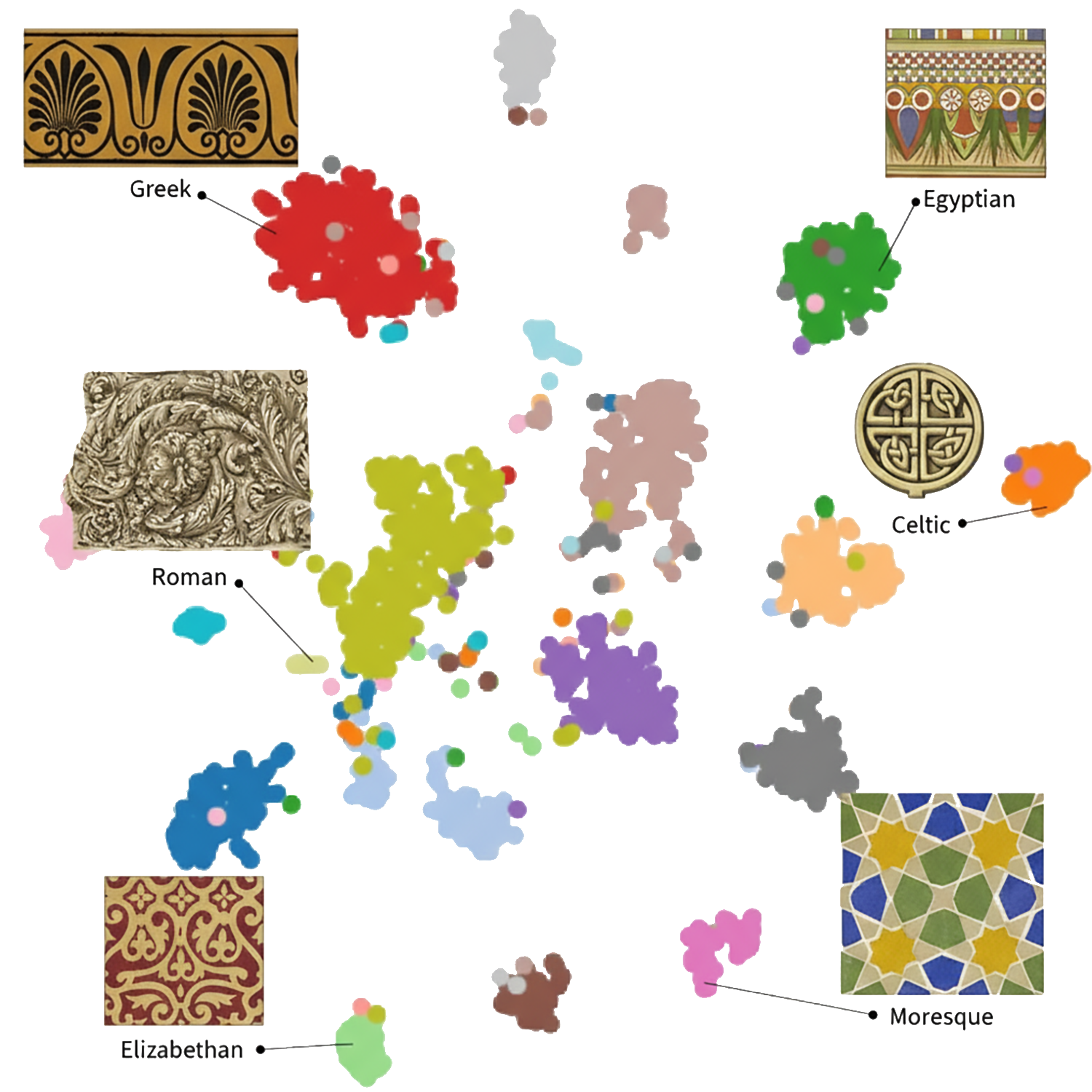
A related strand of this research, Machine Learning for Design and Cultural Collections, treats architectural and design archives as testbeds for machine learning. Collections of drawings and other visual media have long recorded and transmitted design knowledge. His studies ask how they can also serve as computational resources for AI systems, with an emphasis on carefully curated, theory-informed datasets over large-scale data collection. Outputs include JONES-19, a cultural design dataset downloaded more than 2,000 times, and articles published in Design Computing and Cognition and ACM’s Culture and Computer Science.
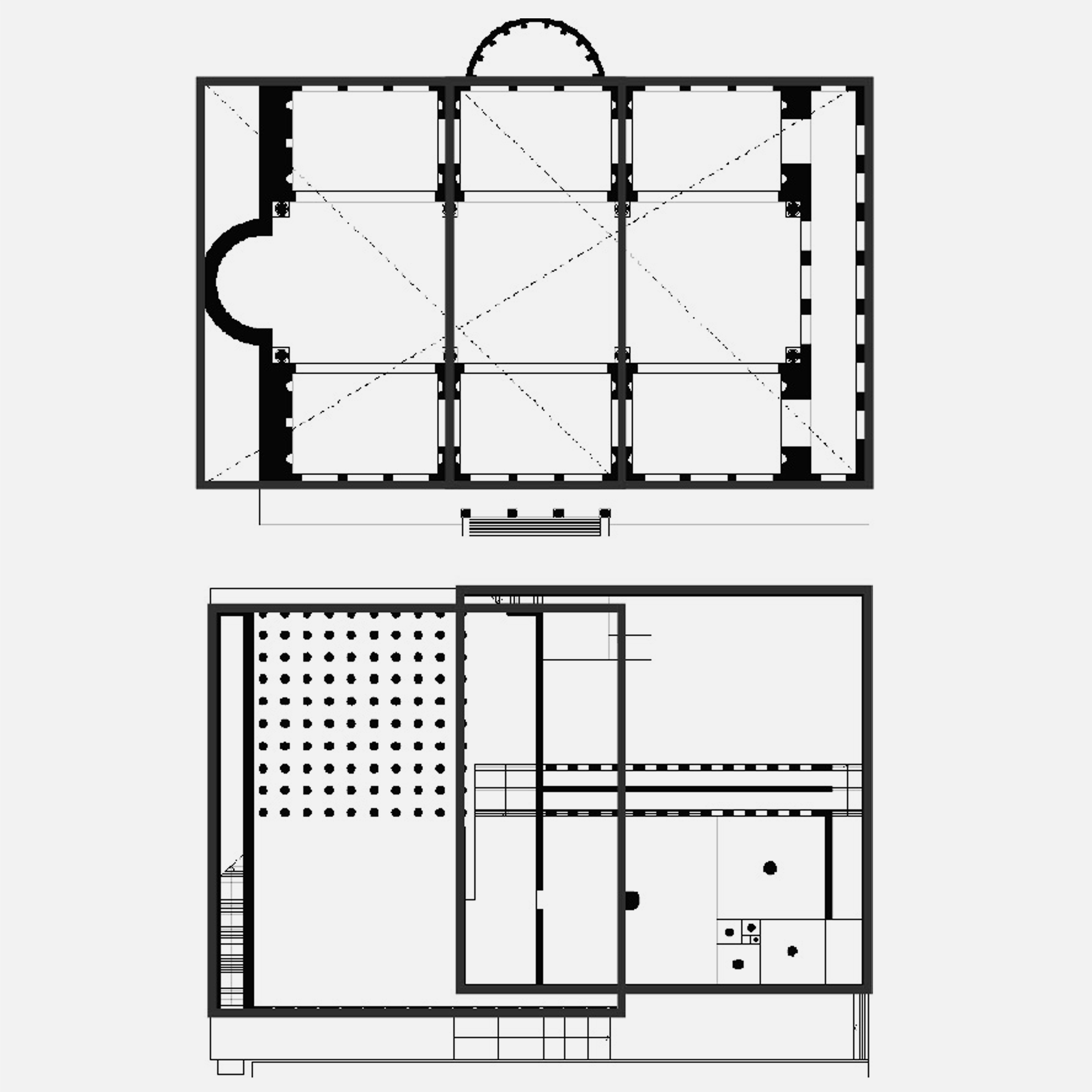
These questions build on a foundation in the mathematics of shape and design computation. His journal articles ask how shapes, and rule-based operations on them, can give a formal computational description of design reasoning in CAD systems, supporting more robust representations in practical design workflows. This work contributes new methods to computability theory in shape grammars and to structural mathematics (topology) of shapes. It draws its problems and empirical grounding from architecture and related spatial practices, particularly how designers see, transform, and restructure shapes in drawings. It has appeared in Environment and Planning B (2022), Computers & Graphics (2022), the Journal of Mathematics and the Arts (2020, 2026), and Nexus Network Journal (2026).
Haridis has received fellowships, grants, and awards from the MIT School of Architecture and Planning, the Harvard Data Science Initiative, and the A.G. Leventis and Onassis Foundations, among others. He has presented his work by invitation at Dartmouth College, MIT, the University of Pennsylvania, Columbia University, the New York Institute of Technology, and the National Technical University of Athens.
While Haridis’s research is anchored in design computing and architecture, his teaching bridges studio pedagogy and creative problem-solving. He has taught graduate and undergraduate courses and studios in architecture, design engineering, visualization technologies, design methods, and human values in technology. These include studios in Harvard’s Master in Design Engineering program and courses offered jointly by the Graduate School of Design and the Paulson School of Engineering and Applied Sciences.